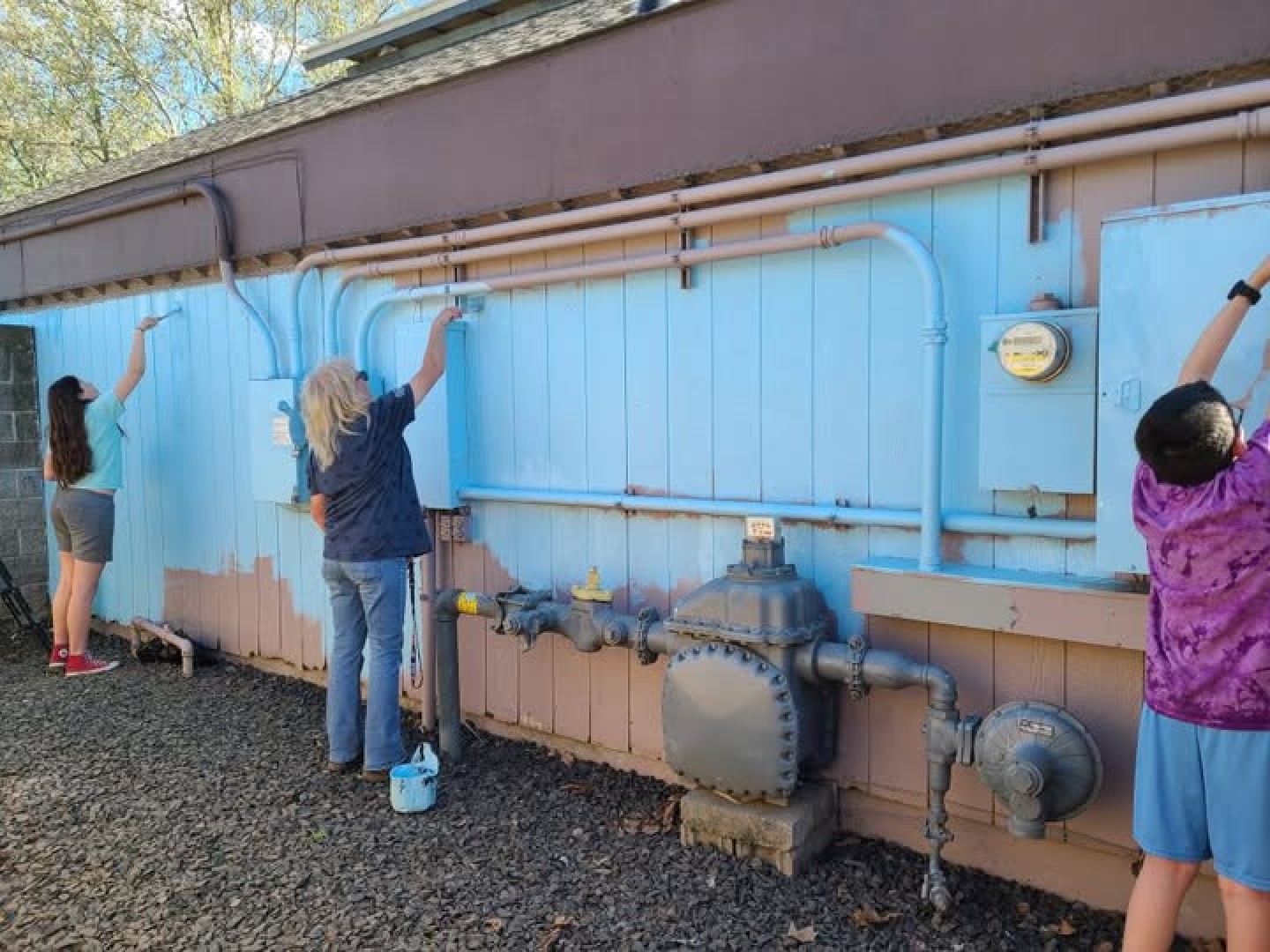
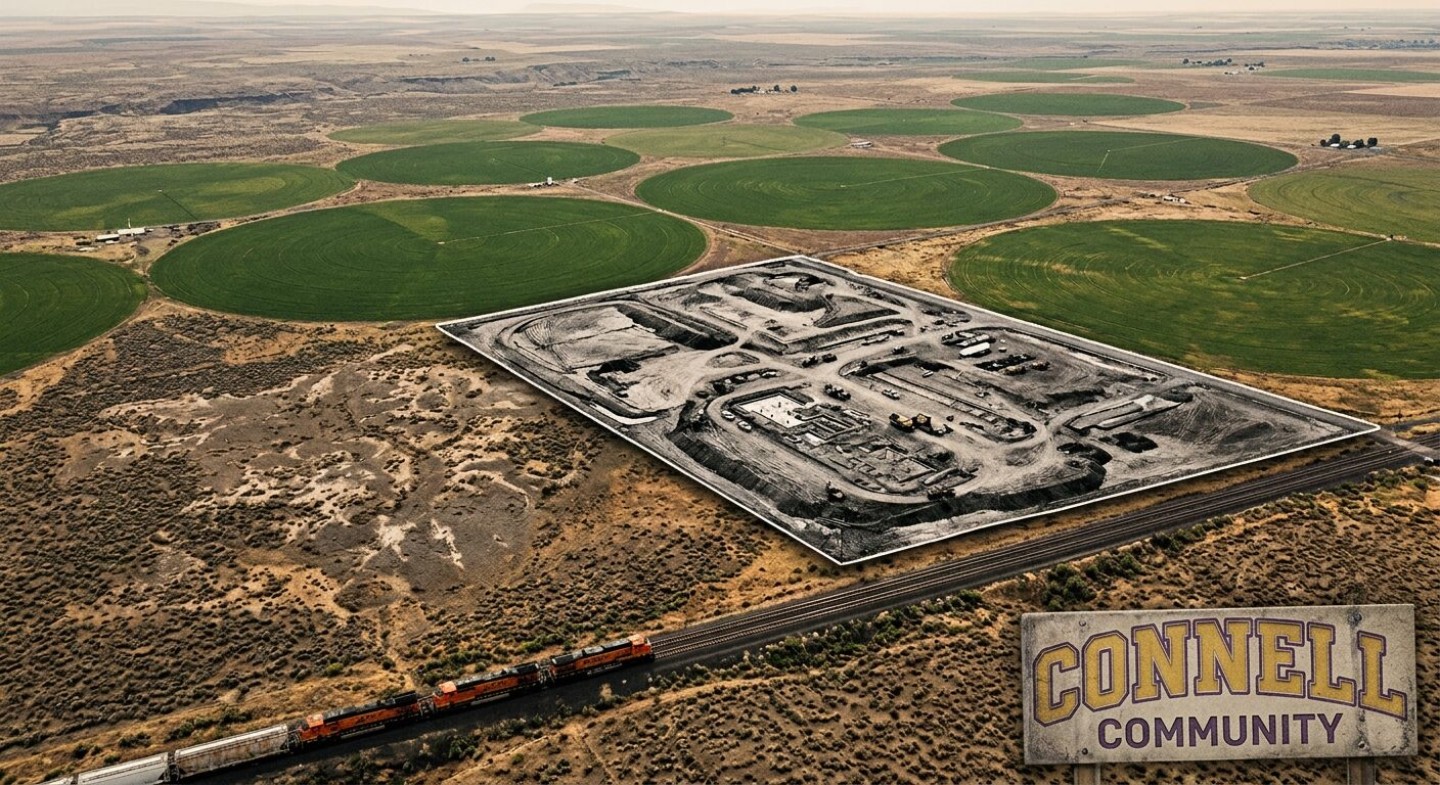
Explore the 30-year regulatory, legal, and operational history of the facility in Connell, Washington, detailing its transition from the "Second Chance" juvenile rehabilitation camp to Helios Nursery’s H-2A farmworker housing.
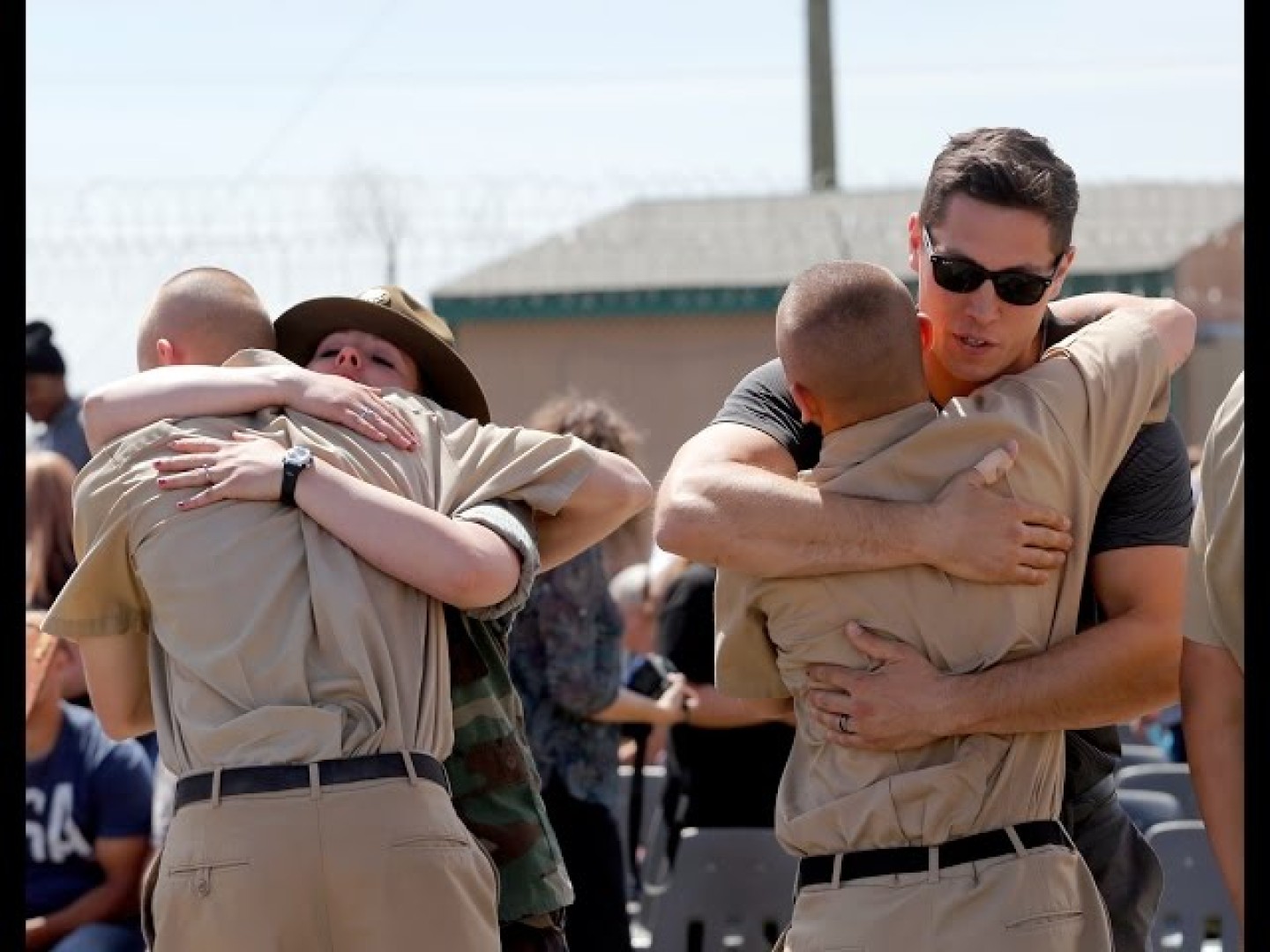
Explore the 30-year regulatory, legal, and operational history of the facility in Connell, Washington, detailing its transition from the "Second Chance" juvenile rehabilitation camp to Helios Nursery’s H-2A farmworker housing.
Article Summary
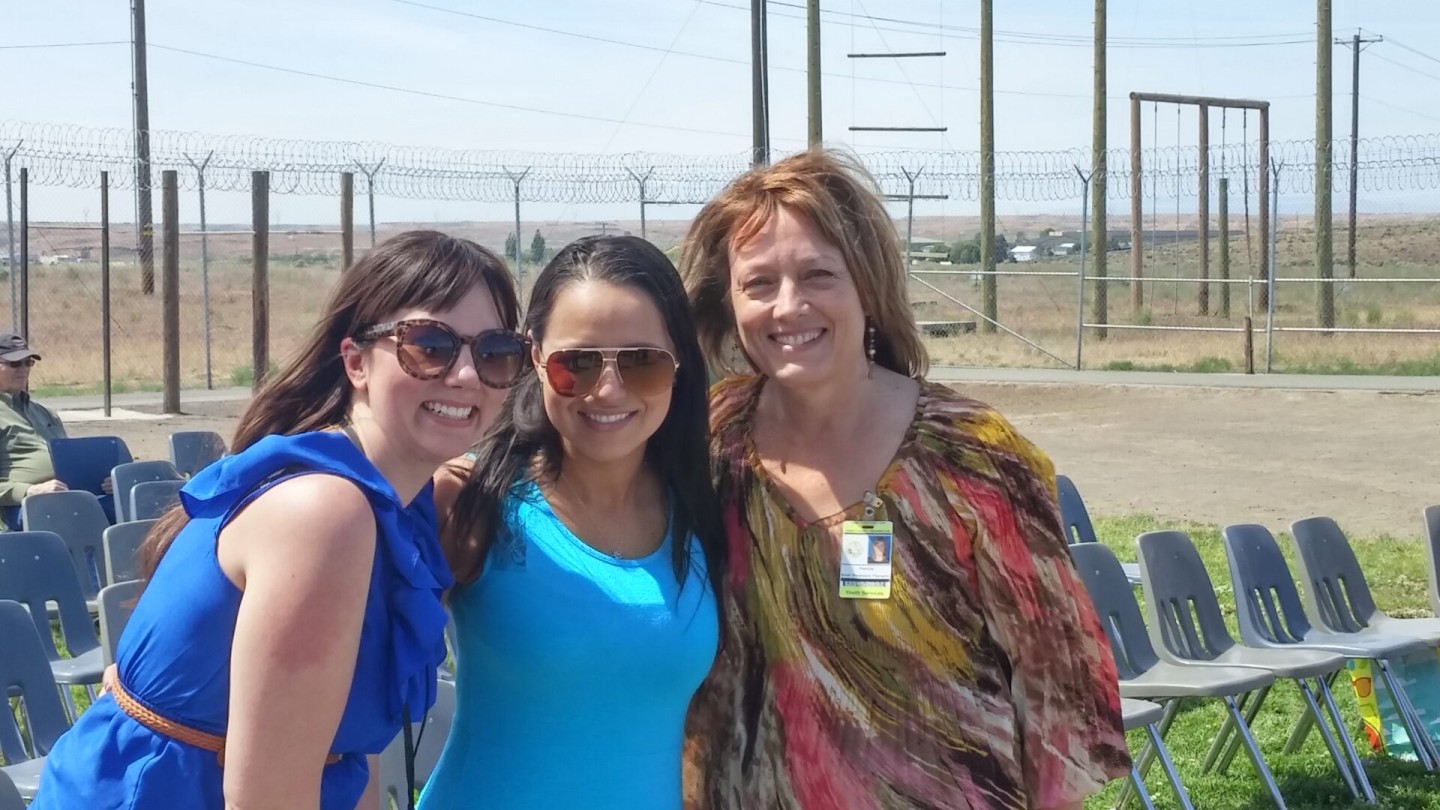
The author reflects on their work as a government treatment counselor alongside colleagues Meghan and Patti at Camp Outlook in Connell, Washington. They describe the deep rewards of guiding youth through difficult mistakes and witnessing their long-term transformation—highlighted by a chance reunion with a former 13-year-old participant who grew up to turn his life around.
In addition to its role as the home of Camp Outlook, Connell is featured as a welcoming small town (population ~5,000) with impressive athletic fields, main street murals and sculptures, and popular community gatherings like the September Fall Festival and November Wine and Brew Festival.

KENNEWICK — A Pasco man and his passenger were hospitalized after a westbound SUV crossed the median and rolled on state Highway 240 near Columbia Park on Thursday afternoon, Aug. 6, according to the Washington State Patrol and court documents cited by local reporting.
Garnet S. Willis, 57, of Pasco, was driving a 2003 Dodge Durango when the vehicle went into the median and flipped alongside Columbia Park, the patrol reported. His passenger, Justice N. Davis, 25, of Richland, was also taken to the hospital. Both were transported to Kadlec Regional Medical Center.
Dispatch reports described the Durango rolling five times before ending up on the other side of the median near the park entrance shortly before 4 p.m., according to Tri-City Herald coverage. Afternoon traffic was disrupted; one eastbound lane was closed for a time, and the Washington State Department of Transportation said conditions were back to normal by about 5:30 p.m.
Benton County deputies found Willis and Davis outside the SUV, court documents said. Willis told a deputy he did not know how the crash happened and also claimed he was not the driver, according to those documents. A witness reported that the Durango had been speeding before it crossed the median and that Willis was in the driver’s seat.
The Washington State Patrol took over the crash investigation. The patrol’s initial account said drugs and/or alcohol were a factor and that the cause remained under investigation. Willis was not wearing a seat belt and faced possible charges; Davis was wearing a seat belt, the patrol reported.
Court documents later cited by the Tri-City Herald said Willis had lethargic speech and movement, with pupils that appeared very dilated and cloudy — findings a trooper noted as unusual on a sunny, bright day. Willis refused an examination to determine whether he was intoxicated. A drug recognition expert believed he was under the influence of a stimulant, the documents said.
Davis suffered multiple vertebral fractures and a broken ankle, according to the court-document reporting. Willis pleaded not guilty — described in that coverage as an innocent plea — to one count of vehicular assault in Benton County Superior Court and was being held in the Benton County jail on $50,000 bail.
The same reporting said Willis also faced a separate Franklin County Superior Court matter from June 17, in which he allegedly ran from a state trooper near 10th Avenue and Ainsworth Street in Pasco and had been out on $5,000 bond in that case. Older prior convictions were noted as mostly at least two decades old.
Sources
Yakama leaders hear Franklin County possible Pasco casino proposal
By Ronnie Washines
--Yakama Nation Review
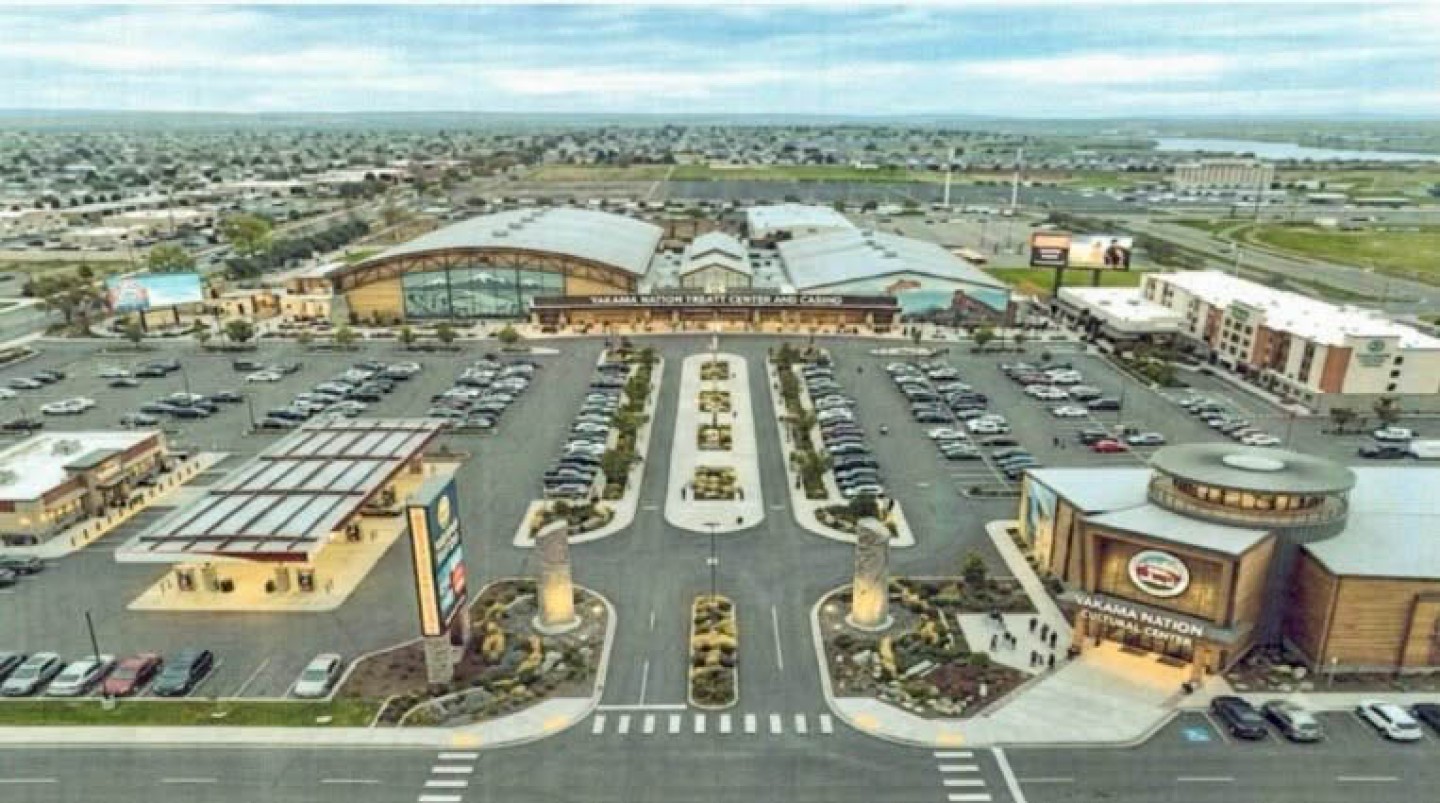
TOPPENISH, Wash. – Franklin County officials sent a representative Aug. 4 to present an idea for the Yakama Tribal Council to consider moving forward with to open a casino in Pasco, Wash.
Franklin County Administrator Brian R. Dansel told the tribal council that the county is willing to enter into a partnership with the Yakama Nation to turn its HAPO Center into a tribal casino.
“Pasco is a prime location for a casino,” he said.
The 85,000 square foot HAPO Center largest venues are currently a 39,000 square foot exposition hall and 43,000 square foot arena, which are separated by an atrium containing conference rooms, office space and restrooms.
In comparison, the Yakama Legends Casino gaming area is currently 87,000 square feet.
The HAPO Center campus also includes an ice pavilion and an RV park.
Franklin County and the City of Pasco had a 30-year partnership agreement to operate the facility, which included adjacent sports fields, which the county is currently in separate negotiations. That pact expired last May and Franklin County Commissioners voted to take full control of it all.
Since then, the county has been exploring new uses for the facilities, thus bringing them to the Yakama Nation.
--Pasco City Councilman Leo Perales
City’s Role:
Under the current agreement, the City of Pasco and Franklin County are each responsible for 50% of operating costs that exceed HAPO Center revenues. The City has averaged approximately $188,000 per year toward its share of those costs.
The HAPO Center is currently operated by Harris-White-Leasure Group under a third-party management agreement with Franklin County. The City of Pasco does not manage the day-to-day operations of the facility.
The City also participates on the HAPO Center Advisory Board. However, the board has very limited practical authority. Meetings largely consist of updates and discussions regarding current events, operations, and revenues at the HAPO Center, rather than making decisions regarding the facility.
HAPO Center Agreement:
The lease expired after December 2025. The City and County have been discussing their future roles and what a partnership could look like going forward, but the City has received very little communication from the County regarding its intentions.
Franklin County recently sent a brief letter invoking a provision in the original TRAC agreement that provides for the County to pay the City of Pasco $1 for the City’s interest in the remaining property upon termination of the agreement. The County included a $1 check with the letter.
My interpretation: The $1 is not intended to represent the value of the HAPO Center. Rather, it appears to serve as the contractual mechanism for resolving the City’s interest in the property under the original agreement.
Softball Complex:
The City has provided Franklin County with a proposed lease extension for the softball fields and has not received a response.
The City is also still awaiting a response from the County Commission regarding the City’s second offer to purchase the softball complex. That offer was valid for 45 days, and nearly two months have now passed without a response.
Potential Tribal Casino:
On August 4, a representative of Franklin County made an introductory presentation to the Yakama Tribal Council regarding the possibility of developing the HAPO Center into a tribal casino.
There are obviously many questions about what happens next. I’ll continue sharing information with the public as we learn more about the County’s plans and what they could mean for the HAPO Center, the softball complex, and the City of Pasco.
Transcript — Franklin County Two-Minute Memo - Episode 3 - Aug 14, 2026
Speaker: Brian Danzel, Franklin County Administrator
"Hi, I'm Brian Danzel, Franklin County Administrator, and welcome to Episode 3 of the Franklin County Two-Minute Memo.
I wanted to take a minute to address some of the public interest and rumors we've been hearing about the Hapo Center facility.
We were asked to give an introductory presentation to the Yakama Tribal Council regarding the Hapo Center. That presentation was informal. There were no decisions made, no agreements signed, and there is no final deal.
If there were any future action regarding the Hapo Center, it would have to come before an open public meeting with public input.
For some historical context, the land the Hapo Center sits on was part of territories prior to the 1855 Treaty that included the Yakama Nation.
This kind of communication is routine. It's similar to the City of Pasco welcoming the Confederated Tribes of the Colville Reservation into their chambers. It's just routine local and tribal communication.
I also want to directly address a narrative that's been circulating — that the county is planning to put a casino at the Hapo Center. That is not true.
We appreciate the questions. Please keep asking them in the comments or by email, and we look forward to doing more of these memos in the future."
Tri-Cities Area Journal of Business
August 16, 2026
Franklin County’s administrator recently spoke with the Confederated Tribes and Bands of the Yakama Nation about transforming the Pasco’s HAPO Center into a tribal casino, saying if there’s any tribe the county should be talking to, it’s the Yakamas.
Brian Dansel made a presentation to the Yakama Tribal Council on Aug. 4 pitching the opportunity for a partnership with Franklin County to pursue the proposal at the events venue, according to the Toppenish-based tribal newspaper Yakama Nation Review.
Dansel said in a Franklin County social media post that the county was asked by the Yakamas for the presentation and that multiple parties are interested in the HAPO Center property. “We have supplied materials to all the different entities that are interested in the HAPO Center,” he said, noting that no decisions, deals or agreements have been made with the tribe.
The county has recently asserted ownership of the facility and the adjacent Pasco Sports Complex after its contract expired with the city of Pasco.
See full article >>

NORTH FRANKLIN NEWS - ISSUE 11 - AUG 12, 2026

The purpose of this North Franklin News system is to let you know what's going on in the community.
Messages up to 1-2 times a month direct to your phone, without requiring you to be on any form of social media or needing to log in to something.
Each issue will be different and we will continue to improve the format and content as we go forward.
If it looks similar to various social feeds, that is intentional. There is also submitted content and links to other local sources.
We have curated the feed with the most relevant and requested content in an easy-to-digest arrangement.
Thanks again!



NFSD.ORG



NOW HIRING
FAMILY FUN ALL DAY
11
A SEPTEMBER TRADITION


Sunset Theatre 7:30pm SPIDERMAN [PG13]. Message us to reserve recliners!








LOCAL NEWS · LOCAL SOURCES

FAMILY FUN ALL DAY
11
A SEPTEMBER TRADITION

CONNELLWA.COM Staff
August 12, 2026
As Franklin County enters its second quarter-century of growth, we face a profound irony: our expansion is being driven primarily by "Natural Population Change"—our own children being born into the community. Yet, the "Principle of Progression" that raises our current home values may eventually move the goalposts of affordability beyond their reach.
The challenge for the next decade is balancing the economic prosperity of new jobs and higher tax bases with the need for social stability. We must ask ourselves: how do we leverage our stable growth to build enough housing for the next generation without losing the "small-town feel" that makes Connell home? The answer lies in managing our 25-year momentum with foresight, ensuring that the Connell of 2035 remains as welcoming as the one we know today.
Connell has long been the heart of small-town life in our region, but even the quietest corners of Franklin County are undergoing a profound transformation. What many residents don’t realize is that our county has achieved a rare feat even on a national level: 25 years of uninterrupted, year-over-year population growth. This quarter-century streak isn’t just a statistic; it’s a quiet revolution that changes everything from our property taxes to the seats available in our local schools.
It is easy to assume that our changing landscape is fueled by a sudden rush of outsiders, but the data tells a deeper, more local story. As we navigate this momentum, we must look beyond the moving trucks to understand the economic mechanics at play. By analyzing the hard numbers, we can see how this steady growth affects the wallet and the well-being of every resident calling Connell home today—and those who will call it home tomorrow.
While it is common to assume external migration is the primary cause of crowded grocery stores, the main driver of Franklin County’s growth is actually internal. According to USAFacts data, "natural population change"—where births significantly outpace deaths—is the leading factor in our expansion. In the 2024-2025 window alone, natural change accounted for an increase of 896 people, far outstripping the net gains from people moving here.
This distinction is crucial for regional strategists and community planners. Unlike a sudden influx of retirees or remote workers, growth driven by local families requires long-term, fixed investments in pediatric services and school infrastructure. This is internal momentum, meaning our community isn’t just being added to; it is actively multiplying from within.
"Franklin County, WA's population increased 25 out of 25 years."
This steady momentum creates a unique kind of pressure compared to a typical "boom-and-bust" cycle. It represents a consistent, generational commitment to the area. Because the growth is organic, it ensures that the demographic tapestry of the county remains rooted in local families rather than the shifting whims of domestic migration.
The sight of new residential construction often brings concerns about traffic, but every new single-family home represents a massive injection into the local economy. Research from the Housing Assistance Council indicates that residential construction carries a "value-added" ratio of 62.3 percent. This means that a majority of the gross outlays for a project are funneled directly into wages and salaries for workers rather than just raw materials.
The impact is even more specific when looking at single-family home construction models. According to the USDA’s Section 502 program estimates, each new home generates approximately 1.75 jobs and $50,201 in wages. For a town like Connell, these aren't just abstract figures; they represent stable income for the local contractors, plumbers, and electricians who form the backbone of our workforce.
The "ripple effect" extends far beyond the construction site. Local businesses providing milled timber, tools, and specialized services benefit from these value-added outlays. Furthermore, because these workers often live and shop within the county, they spend their wages at our local restaurants and stores, keeping the economic momentum moving through the community.
While some fear that new developments might overshadow established neighborhoods, the "Principle of Progression" often suggests the opposite. This real estate concept, highlighted by Mindy Hibbard Real Estate, explains how upscale residential developments can set a "higher price benchmark" for an entire area. When premium homes enter a market, they naturally pull up the comparable sale prices of existing, older homes nearby.
Beyond individual property values, new developments are often the primary vehicle for modernizing our aging infrastructure. Developers are frequently required to fund road improvements, new sidewalks, and expanded utility lines that the city might otherwise struggle to afford. These enhancements increase the overall desirability of the town, making it more attractive for future investment.
Despite the undeniable economic perks, development carries social costs that are deeply felt by long-term residents. As demand for housing increases and the Principle of Progression takes hold, the resulting rise in costs can lead to displacement. Residents on fixed or lower incomes may find themselves unable to afford the very community they helped build over decades.
There is also the intangible risk of losing a town's "Community Identity." When projects are designed primarily to cater to newcomers or higher-income demographics, the unique heritage of a small town can begin to erode. This often creates social tension between those who see economic opportunity and those who feel a sense of displacement from their own culture.
"Development projects that cater to tourists or new residents may change the character and identity of a small town... causing social tensions and a sense of displacement."
This sense of loss isn't just about property; it's about the feeling that the town’s character is no longer recognizable. Inclusive development strategies and active community engagement are the only ways to ensure that progress doesn't come at the expense of a town's soul. We must build for the people who are already here, not just for the people we hope will come.
Franklin County’s 15.7% growth rate over the last decade is a hallmark of economic health. Unlike "boom towns" that crash when a single industry fails, our "slow and steady" approach—which peaked at 4,200 new residents in 2009 and remained positive even during the 2022 lull of 349—provides a rare level of fiscal predictability. For a regional strategist, this 25-year streak is the backbone of sustainable municipal debt management.
This predictability allows the county to secure better bond ratings and engage in more effective Capital Improvement Planning (CIP). When tax revenue from property and sales taxes is stable, the local government can plan major projects like new schools or water treatment plants with confidence. We aren't guessing if the revenue will be there in five years; the historical trend suggests it will.
The demographic tapestry is also evolving through a shift in migration patterns. While we saw a "domestic migration" loss of 97 people moving to other U.S. counties between 2024 and 2025, we gained 415 residents through "international migration." This suggests that while some residents are seeking different domestic opportunities, Franklin County remains a premier destination for those looking to build a new life from the ground up.

OTHELLO — City Hall was packed Monday night as residents heard how Othello plans to handle two long-running headaches at once: fire protection and the closed community pool.
On a 6-0 vote, the City Council approved a pre-annexation agreement with Adams County Fire District 5. The deal puts annexation on the ballot for April 2027. If voters say yes, the change would take effect July 30. If they say no, the agreement calls for another try in August 2027.
For more than 20 years, ACFD 5 has covered Othello under contract. The prior council tried to walk away from that arrangement and build a city fire department instead. After the 2025 election, the new mayor and council dropped that idea and went back to the negotiating table with the district.
City Administrator Aaron Garza argued annexation is the more durable path. "It increases our economies of scale, combines our resources and makes fire services stronger. It also provides long-term sustainability," he said.
The money side is messier. District voters already approved a levy lid lift that pushed the rate from about 65 cents to 90 cents per $1,000 of assessed value. Annexation would put Othello residents on that higher rate, paid directly to the district rather than through the city's contract. Under the current deal, Othello is looking at roughly $1.2 million for fire services this cycle — up from about $793,000 in 2025.
If annexation passes, the district would take over the city's Broadway Avenue fire station and city-owned fire equipment — a point Council member Marc Spohr flagged as needing more negotiation for a decision that could last decades. The council voted to move ahead anyway.
That leaves a pile of city tax capacity that used to go toward the fire contract. Council members haven't settled whether to give some of it back, keep it for other city needs, or steer it toward the pool. Mayor Ken Johnson said they need a direction soon so the annexation campaign can explain what residents would get besides a change in who runs the fire trucks.
The pool has been shut since spring 2024 after plumbing problems — including pipes installed wrong when the facility was built more than a decade ago — made safe operation impossible. Water loss hit more than 34 million gallons in 2023. Repair estimates now sit around $3.75 million to $4 million, and an earlier $3.5 million bond fell short of the 60% yes vote required. Garza said costs will keep climbing.
Council talked through how to sequence the votes: annexation and pool funding on the same ballot, or annexation first so the city knows what fire will cost before asking for a pool bond. Council member Chris Dorow warned against building a pool the city can't afford to run if annexation fails. Finance Director Spencer Williams put the pool's operating hole at about $150,000 a year at a minimum.
Garza said annexation is aimed at the April 2027 ballot; a pool measure couldn't land earlier than February 2027. Formal ballot language still has to come back in a later public meeting.
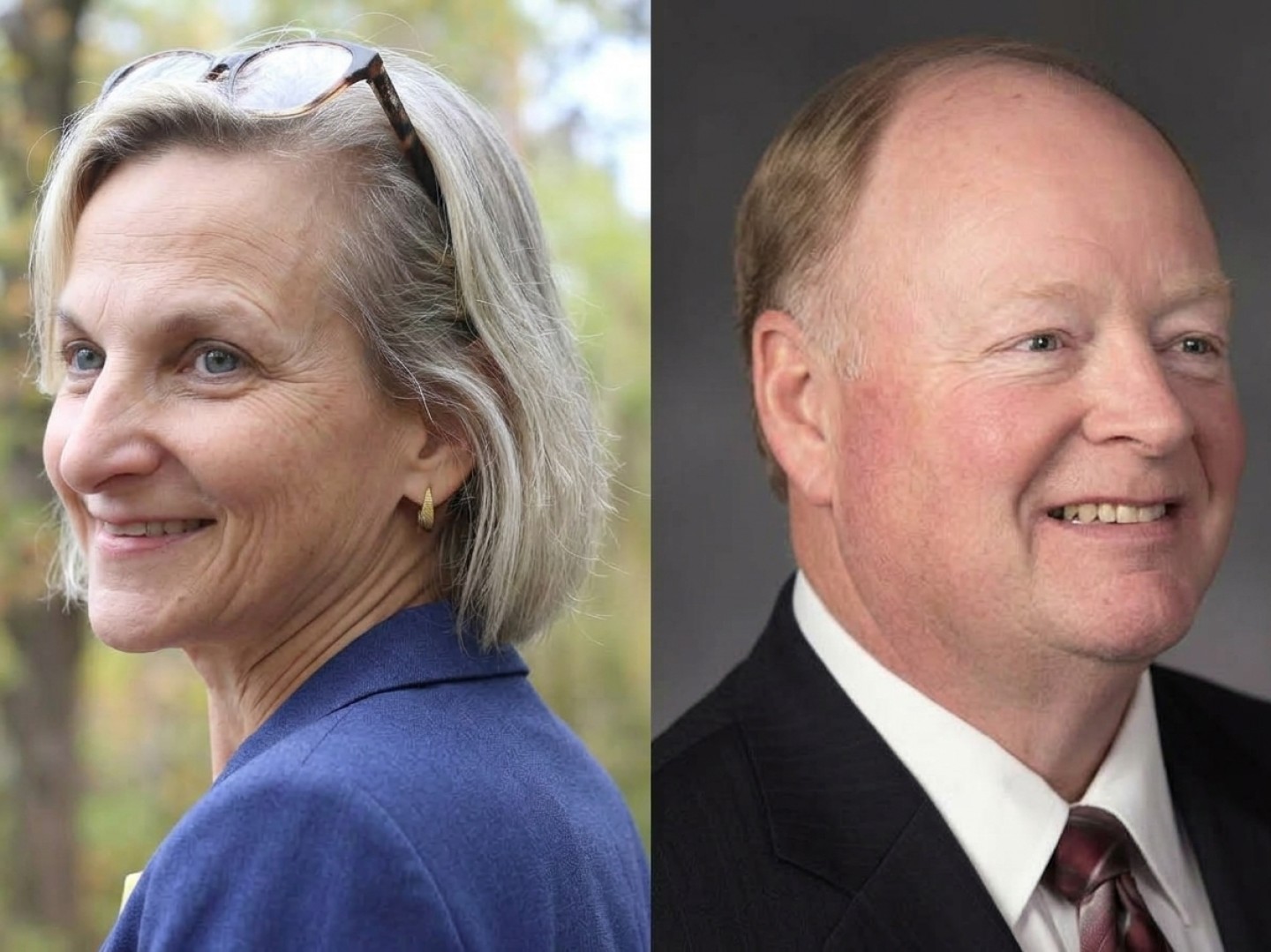
COLFAX — Incumbent state Rep. Joe Schmick, R-Colfax, held a wide lead over Democratic challenger Karina Wallace after the first day of counting in the Aug. 4 primary and, based on that early tally, appeared headed back to Olympia.
Schmick reported 16,339 votes (64.43%) in the race for Legislative District No. 9, Position No. 2, according to Franklin Connection’s account of the initial ballot count. Wallace had 8,975 votes (33.39%) — a margin of more than 29 percentage points.
That early split was nearly the same as Schmick’s 2024 result against Pam Kohlmeier, a Spokane Democrat, when he finished at 63.92% to her 35.94%, the same reporting noted.
District No. 9, as described in that coverage, includes southern Spokane, Whitman, Lincoln, eastern Adams, eastern Franklin and other counties.
Sources

OTHELLO — Adams County investigators are asking for the public’s help identifying those responsible for a Saturday, July 11, shooting in the 2100 block of West April Street that left one person with a gunshot wound to the face, according to the Adams County Sheriff’s Office.
Deputies responded after reports of shots being fired toward a residence — described by local reporting as either from a passing vehicle or someone on foot. While investigators were at the scene, Othello Community Hospital notified the Sheriff’s Office that a person had been admitted with a facial gunshot wound. Deputies linked the hospital case to the shooting call.
Investigators said the wound appeared non-life-threatening, but the injured person was airlifted to an out-of-area medical center for further treatment. The victim’s name and age were not released.
Detectives working the case said the incident appears to be gang-related. The Sheriff’s Office continued to seek information as the investigation remained open.
Anyone who witnessed the shooting, has video footage, or has other knowledge of the incident is asked to call the Adams County Sheriff’s Office at 509-659-1122 or email Crimetips@co.adams.wa.gov. Tipsters may remain anonymous.
Sources



Copyright 2002-2026 CONNELLWA.COM
All Rights Reserved.