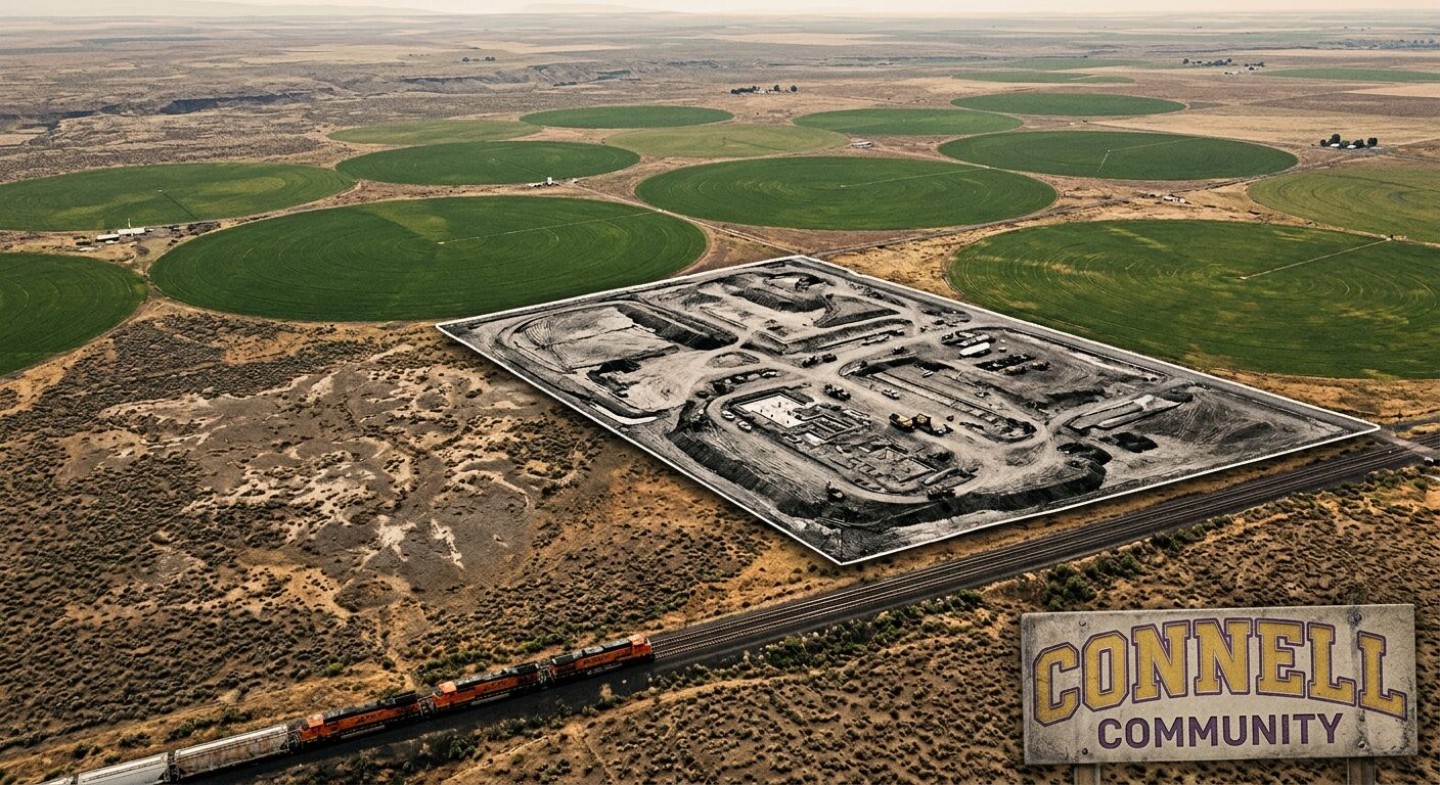
Explore the 30-year regulatory, legal, and operational history of the facility in Connell, Washington, detailing its transition from the "Second Chance" juvenile rehabilitation camp to Helios Nursery’s H-2A farmworker housing.
Explore the 30-year regulatory, legal, and operational history of the facility in Connell, Washington, detailing its transition from the "Second Chance" juvenile rehabilitation camp to Helios Nursery’s H-2A farmworker housing.
![20150520_113452_hdr[1]](https://www.connellwa.com/wp-content/uploads/freshizer/a2a71176d9bdfc623e0fb72c6ef3f2a8_20150520_113452_hdr1-1440-c-90.jpg)
Article Summary
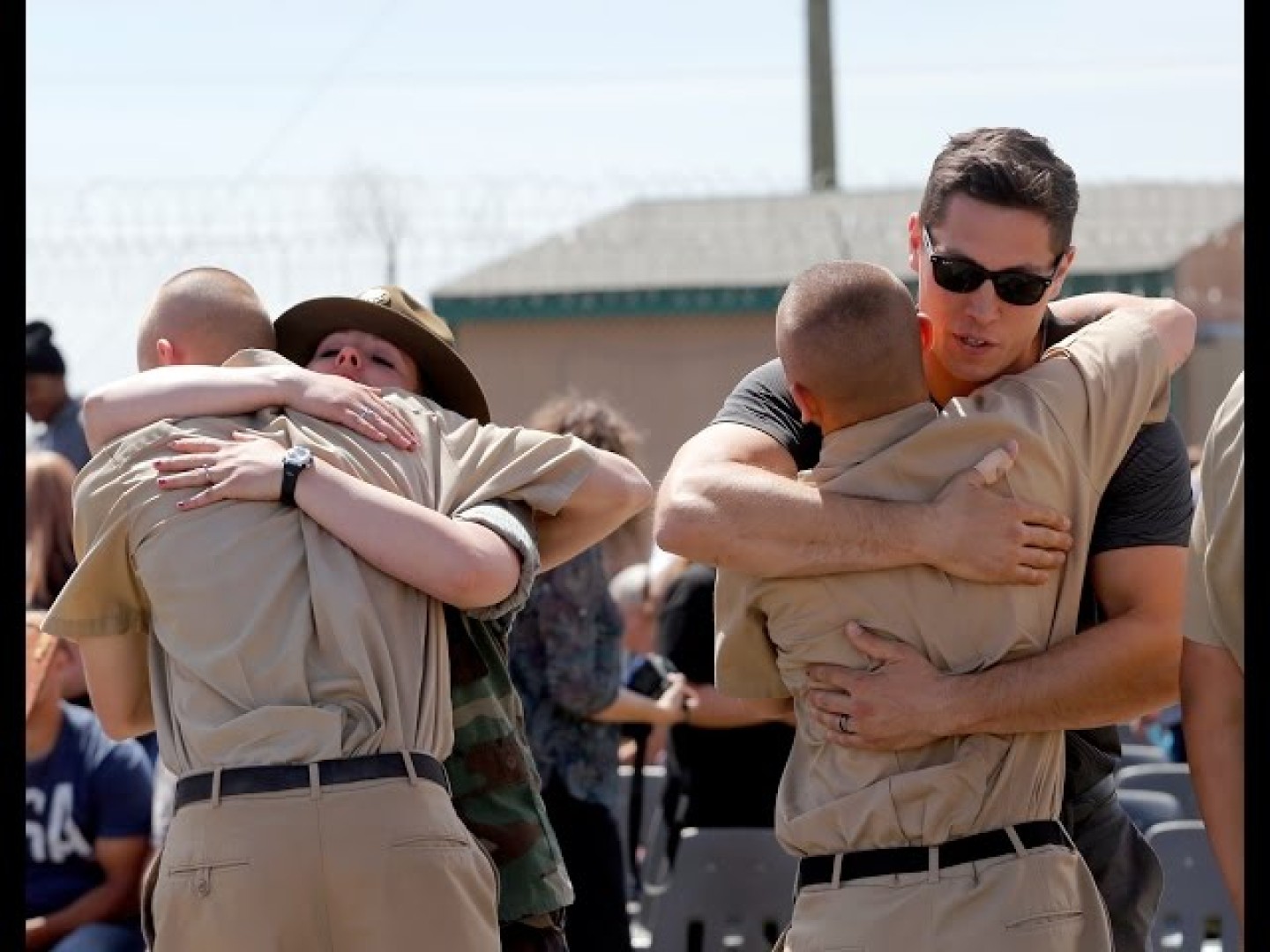
The author reflects on their work as a government treatment counselor alongside colleagues Meghan and Patti at Camp Outlook in Connell, Washington. They describe the deep rewards of guiding youth through difficult mistakes and witnessing their long-term transformation—highlighted by a chance reunion with a former 13-year-old participant who grew up to turn his life around.
In addition to its role as the home of Camp Outlook, Connell is featured as a welcoming small town (population ~5,000) with impressive athletic fields, main street murals and sculptures, and popular community gatherings like the September Fall Festival and November Wine and Brew Festival.
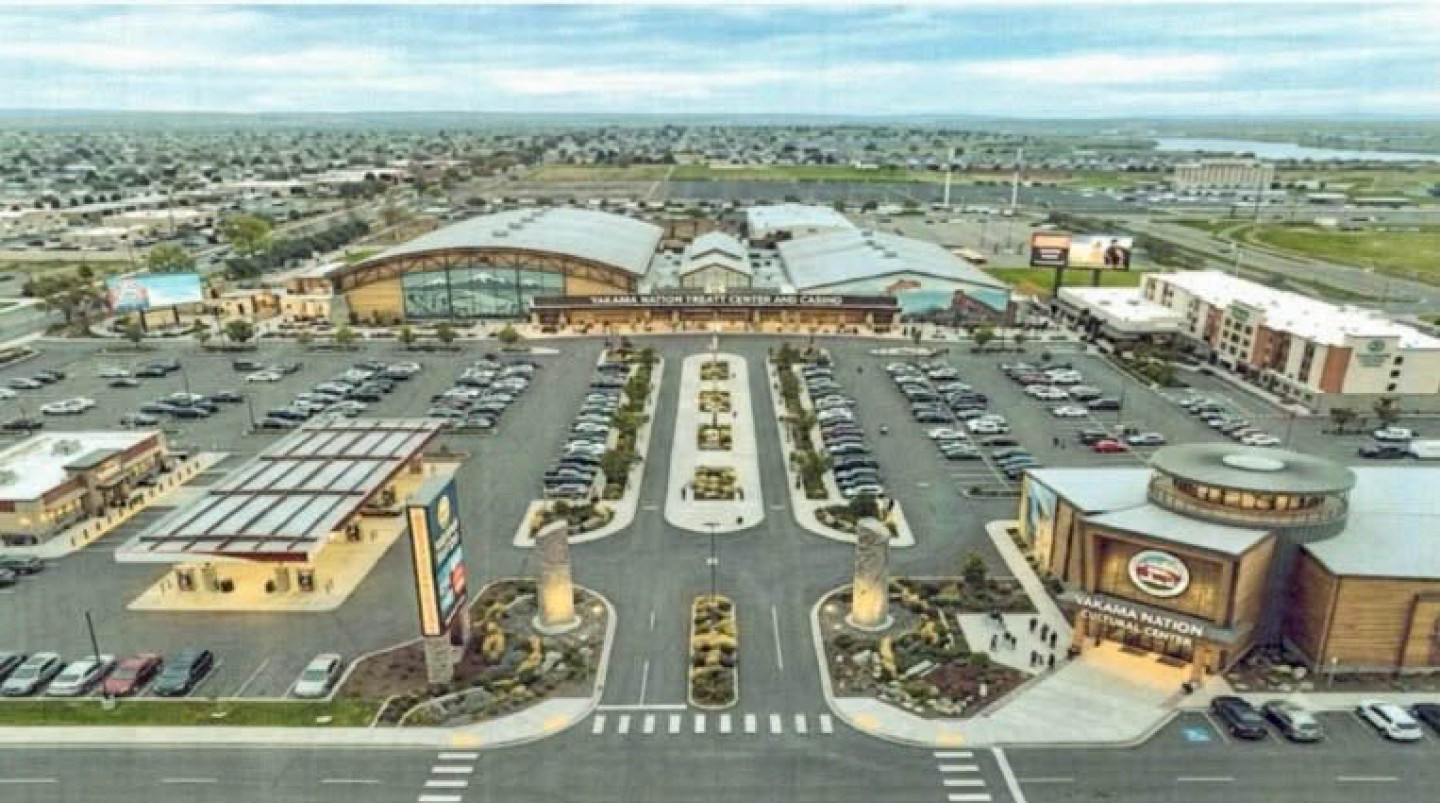
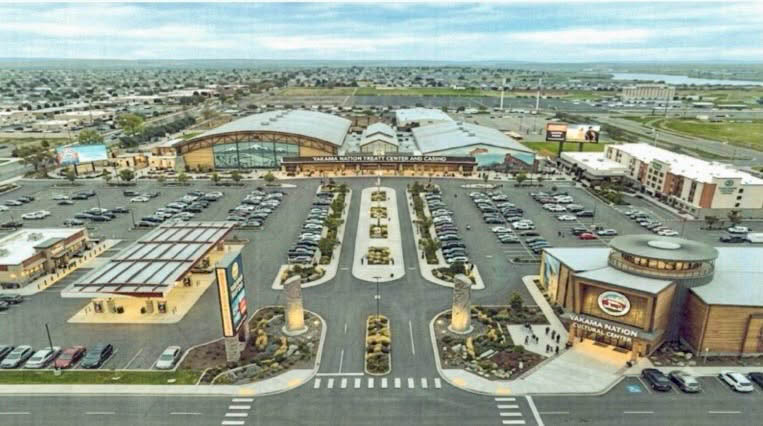
Yakama leaders hear Franklin County possible Pasco casino proposal
By Ronnie Washines
--Yakama Nation Review
TOPPENISH, Wash. – Franklin County officials sent a representative Aug. 4 to present an idea for the Yakama Tribal Council to consider moving forward with to open a casino in Pasco, Wash.
Franklin County Administrator Brian R. Dansel told the tribal council that the county is willing to enter into a partnership with the Yakama Nation to turn its HAPO Center into a tribal casino.
“Pasco is a prime location for a casino,” he said.
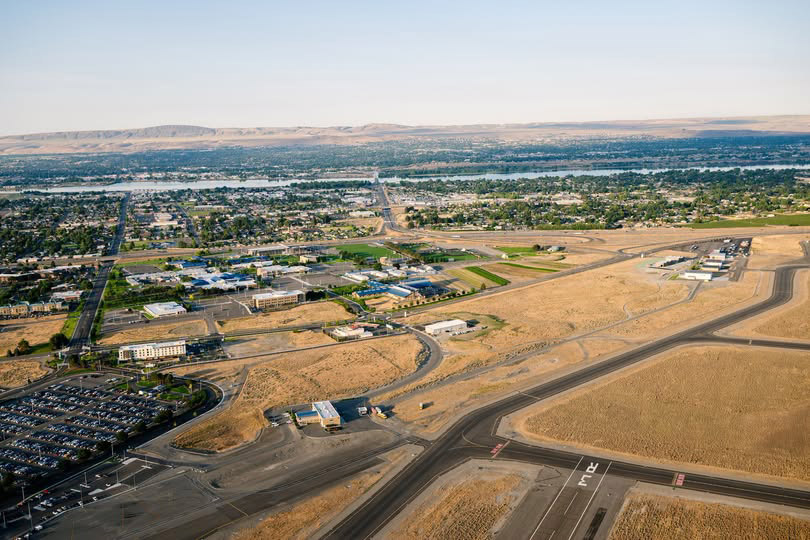
The 85,000 square foot HAPO Center largest venues are currently a 39,000 square foot exposition hall and 43,000 square foot arena, which are separated by an atrium containing conference rooms, office space and restrooms.
In comparison, the Yakama Legends Casino gaming area is currently 87,000 square feet.
The HAPO Center campus also includes an ice pavilion and an RV park.
Franklin County and the City of Pasco had a 30-year partnership agreement to operate the facility, which included adjacent sports fields, which the county is currently in separate negotiations. That pact expired last May and Franklin County Commissioners voted to take full control of it all.
Since then, the county has been exploring new uses for the facilities, thus bringing them to the Yakama Nation.
--Pasco City Councilman Leo Perales
City’s Role:
Under the current agreement, the City of Pasco and Franklin County are each responsible for 50% of operating costs that exceed HAPO Center revenues. The City has averaged approximately $188,000 per year toward its share of those costs.
The HAPO Center is currently operated by Harris-White-Leasure Group under a third-party management agreement with Franklin County. The City of Pasco does not manage the day-to-day operations of the facility.
The City also participates on the HAPO Center Advisory Board. However, the board has very limited practical authority. Meetings largely consist of updates and discussions regarding current events, operations, and revenues at the HAPO Center, rather than making decisions regarding the facility.
HAPO Center Agreement:
The lease expired after December 2025. The City and County have been discussing their future roles and what a partnership could look like going forward, but the City has received very little communication from the County regarding its intentions.
Franklin County recently sent a brief letter invoking a provision in the original TRAC agreement that provides for the County to pay the City of Pasco $1 for the City’s interest in the remaining property upon termination of the agreement. The County included a $1 check with the letter.
My interpretation: The $1 is not intended to represent the value of the HAPO Center. Rather, it appears to serve as the contractual mechanism for resolving the City’s interest in the property under the original agreement.
Softball Complex:
The City has provided Franklin County with a proposed lease extension for the softball fields and has not received a response.
The City is also still awaiting a response from the County Commission regarding the City’s second offer to purchase the softball complex. That offer was valid for 45 days, and nearly two months have now passed without a response.
Potential Tribal Casino:
On August 4, a representative of Franklin County made an introductory presentation to the Yakama Tribal Council regarding the possibility of developing the HAPO Center into a tribal casino.
There are obviously many questions about what happens next. I’ll continue sharing information with the public as we learn more about the County’s plans and what they could mean for the HAPO Center, the softball complex, and the City of Pasco.
Transcript — Franklin County Two-Minute Memo - Episode 3 - Aug 14, 2026
Speaker: Brian Danzel, Franklin County Administrator
"Hi, I'm Brian Danzel, Franklin County Administrator, and welcome to Episode 3 of the Franklin County Two-Minute Memo.
I wanted to take a minute to address some of the public interest and rumors we've been hearing about the Hapo Center facility.
We were asked to give an introductory presentation to the Yakama Tribal Council regarding the Hapo Center. That presentation was informal. There were no decisions made, no agreements signed, and there is no final deal.
If there were any future action regarding the Hapo Center, it would have to come before an open public meeting with public input.
For some historical context, the land the Hapo Center sits on was part of territories prior to the 1855 Treaty that included the Yakama Nation.
This kind of communication is routine. It's similar to the City of Pasco welcoming the Confederated Tribes of the Colville Reservation into their chambers. It's just routine local and tribal communication.
I also want to directly address a narrative that's been circulating — that the county is planning to put a casino at the Hapo Center. That is not true.
We appreciate the questions. Please keep asking them in the comments or by email, and we look forward to doing more of these memos in the future."
Tri-Cities Area Journal of Business
August 16, 2026
Franklin County’s administrator recently spoke with the Confederated Tribes and Bands of the Yakama Nation about transforming the Pasco’s HAPO Center into a tribal casino, saying if there’s any tribe the county should be talking to, it’s the Yakamas.
Brian Dansel made a presentation to the Yakama Tribal Council on Aug. 4 pitching the opportunity for a partnership with Franklin County to pursue the proposal at the events venue, according to the Toppenish-based tribal newspaper Yakama Nation Review.
Dansel said in a Franklin County social media post that the county was asked by the Yakamas for the presentation and that multiple parties are interested in the HAPO Center property. “We have supplied materials to all the different entities that are interested in the HAPO Center,” he said, noting that no decisions, deals or agreements have been made with the tribe.
The county has recently asserted ownership of the facility and the adjacent Pasco Sports Complex after its contract expired with the city of Pasco.
See full article >>

NORTH FRANKLIN NEWS - ISSUE 11 - AUG 12, 2026

The purpose of this North Franklin News system is to let you know what's going on in the community.
Messages up to 1-2 times a month direct to your phone, without requiring you to be on any form of social media or needing to log in to something.
Each issue will be different and we will continue to improve the format and content as we go forward.
If it looks similar to various social feeds, that is intentional. There is also submitted content and links to other local sources.
We have curated the feed with the most relevant and requested content in an easy-to-digest arrangement.
Thanks again!



NFSD.ORG



NOW HIRING
FAMILY FUN ALL DAY
12
A SEPTEMBER TRADITION


Sunset Theatre 7:30pm SPIDERMAN [PG13]. Message us to reserve recliners!








LOCAL NEWS · LOCAL SOURCES
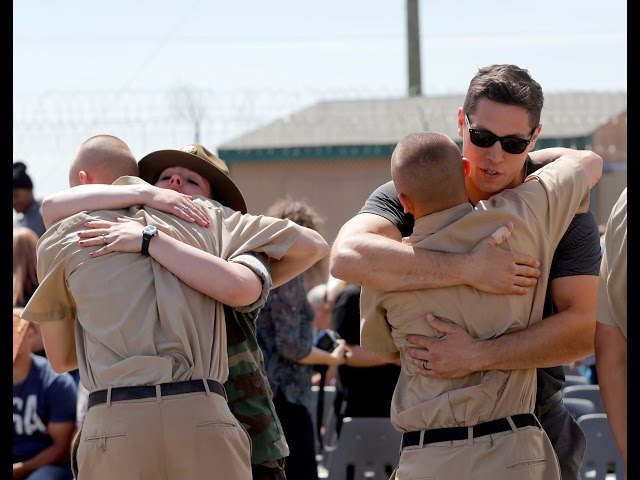
Explore the 30-year regulatory, legal, and operational history of the facility in Connell, Washington, detailing its transition from the "Second Chance" juvenile rehabilitation camp to Helios Nursery’s H-2A farmworker housing.

FAMILY FUN ALL DAY
12
A SEPTEMBER TRADITION
CONNELLWA.COM Staff
August 12, 2026
As Franklin County enters its second quarter-century of growth, we face a profound irony: our expansion is being driven primarily by "Natural Population Change"—our own children being born into the community. Yet, the "Principle of Progression" that raises our current home values may eventually move the goalposts of affordability beyond their reach.
The challenge for the next decade is balancing the economic prosperity of new jobs and higher tax bases with the need for social stability. We must ask ourselves: how do we leverage our stable growth to build enough housing for the next generation without losing the "small-town feel" that makes Connell home? The answer lies in managing our 25-year momentum with foresight, ensuring that the Connell of 2035 remains as welcoming as the one we know today.
Connell has long been the heart of small-town life in our region, but even the quietest corners of Franklin County are undergoing a profound transformation. What many residents don’t realize is that our county has achieved a rare feat even on a national level: 25 years of uninterrupted, year-over-year population growth. This quarter-century streak isn’t just a statistic; it’s a quiet revolution that changes everything from our property taxes to the seats available in our local schools.
It is easy to assume that our changing landscape is fueled by a sudden rush of outsiders, but the data tells a deeper, more local story. As we navigate this momentum, we must look beyond the moving trucks to understand the economic mechanics at play. By analyzing the hard numbers, we can see how this steady growth affects the wallet and the well-being of every resident calling Connell home today—and those who will call it home tomorrow.
While it is common to assume external migration is the primary cause of crowded grocery stores, the main driver of Franklin County’s growth is actually internal. According to USAFacts data, "natural population change"—where births significantly outpace deaths—is the leading factor in our expansion. In the 2024-2025 window alone, natural change accounted for an increase of 896 people, far outstripping the net gains from people moving here.
This distinction is crucial for regional strategists and community planners. Unlike a sudden influx of retirees or remote workers, growth driven by local families requires long-term, fixed investments in pediatric services and school infrastructure. This is internal momentum, meaning our community isn’t just being added to; it is actively multiplying from within.
"Franklin County, WA's population increased 25 out of 25 years."
This steady momentum creates a unique kind of pressure compared to a typical "boom-and-bust" cycle. It represents a consistent, generational commitment to the area. Because the growth is organic, it ensures that the demographic tapestry of the county remains rooted in local families rather than the shifting whims of domestic migration.
The sight of new residential construction often brings concerns about traffic, but every new single-family home represents a massive injection into the local economy. Research from the Housing Assistance Council indicates that residential construction carries a "value-added" ratio of 62.3 percent. This means that a majority of the gross outlays for a project are funneled directly into wages and salaries for workers rather than just raw materials.
The impact is even more specific when looking at single-family home construction models. According to the USDA’s Section 502 program estimates, each new home generates approximately 1.75 jobs and $50,201 in wages. For a town like Connell, these aren't just abstract figures; they represent stable income for the local contractors, plumbers, and electricians who form the backbone of our workforce.
The "ripple effect" extends far beyond the construction site. Local businesses providing milled timber, tools, and specialized services benefit from these value-added outlays. Furthermore, because these workers often live and shop within the county, they spend their wages at our local restaurants and stores, keeping the economic momentum moving through the community.
While some fear that new developments might overshadow established neighborhoods, the "Principle of Progression" often suggests the opposite. This real estate concept, highlighted by Mindy Hibbard Real Estate, explains how upscale residential developments can set a "higher price benchmark" for an entire area. When premium homes enter a market, they naturally pull up the comparable sale prices of existing, older homes nearby.
Beyond individual property values, new developments are often the primary vehicle for modernizing our aging infrastructure. Developers are frequently required to fund road improvements, new sidewalks, and expanded utility lines that the city might otherwise struggle to afford. These enhancements increase the overall desirability of the town, making it more attractive for future investment.
Despite the undeniable economic perks, development carries social costs that are deeply felt by long-term residents. As demand for housing increases and the Principle of Progression takes hold, the resulting rise in costs can lead to displacement. Residents on fixed or lower incomes may find themselves unable to afford the very community they helped build over decades.
There is also the intangible risk of losing a town's "Community Identity." When projects are designed primarily to cater to newcomers or higher-income demographics, the unique heritage of a small town can begin to erode. This often creates social tension between those who see economic opportunity and those who feel a sense of displacement from their own culture.
"Development projects that cater to tourists or new residents may change the character and identity of a small town... causing social tensions and a sense of displacement."
This sense of loss isn't just about property; it's about the feeling that the town’s character is no longer recognizable. Inclusive development strategies and active community engagement are the only ways to ensure that progress doesn't come at the expense of a town's soul. We must build for the people who are already here, not just for the people we hope will come.
Franklin County’s 15.7% growth rate over the last decade is a hallmark of economic health. Unlike "boom towns" that crash when a single industry fails, our "slow and steady" approach—which peaked at 4,200 new residents in 2009 and remained positive even during the 2022 lull of 349—provides a rare level of fiscal predictability. For a regional strategist, this 25-year streak is the backbone of sustainable municipal debt management.
This predictability allows the county to secure better bond ratings and engage in more effective Capital Improvement Planning (CIP). When tax revenue from property and sales taxes is stable, the local government can plan major projects like new schools or water treatment plants with confidence. We aren't guessing if the revenue will be there in five years; the historical trend suggests it will.
The demographic tapestry is also evolving through a shift in migration patterns. While we saw a "domestic migration" loss of 97 people moving to other U.S. counties between 2024 and 2025, we gained 415 residents through "international migration." This suggests that while some residents are seeking different domestic opportunities, Franklin County remains a premier destination for those looking to build a new life from the ground up.
Columbia Basin News | Last updated Aug 11, 2026
Residents packed Othello’s city council chambers Monday evening to learn about the city’s plans to annex into Adams County Fire District 5 and repair the community pool. Both issues have sparked local debate for years.
The city’s decision to pursue fire district annexation marks a complete reversal from its 2025 plan to create an independent fire department. For more than 20 years, Adams County Fire District 5 has provided fire services to Othello under contract. That contract required the city to pay about 65 cents per $1,000 in property value, similar to what county residents pay. Previous city leaders believed the city could operate its own department for less once the contract expired.
The vote sparked debate, with many residents opposing the creation of a city fire department. Since the 2025 election, new city leaders have abandoned those plans and now support official annexation.
City Administrator Aaron Garza said annexation will benefit residents. “It increases our economies of scale, combines our resources and makes fire services stronger. It also provides long-term sustainability,” he said.
Annexation brings complicated tax considerations.
The city’s tax situation remains complicated. When the city planned to form its own fire department, ACFD 5 asked voters within their district to approve a levy lid lift to offset lost revenue. The measure passed, raising the fire district levy to 90 cents per $1,000 in property value, up from 65 cents. City residents will pay this higher levy if annexation occurs. That’s significantly more than before.



Copyright 2002-2026 CONNELLWA.COM
All Rights Reserved.
![20150520_113452_hdr[1]](https://www.connellwa.com/wp-content/uploads/2026/08/20150520_113452_hdr1.jpg)